
Halifax Load Board: Atlantic Canada Freight Through the Logistware Platform
The Halifax Load Board gives carriers, shippers, freight brokers and transportation teams serving Halifax, Dartmouth and Nova Scotia a regional entry point into Logistware. Halifax describes the freight market; Logistware is the Canadian freight platform behind the load board, transportation communication, document exchange and shipment visibility workflow.
Halifax freight can connect port activity, industrial and warehouse operations, food and seafood transportation, construction, retail distribution and freight moving toward other Atlantic Canadian, national and Canada–U.S. destinations. Instead of creating a separate Halifax-only system, Logistware keeps those transportation opportunities inside the same broader platform.
Halifax Load Board Freight for Atlantic Canada’s Gateway Market
Halifax plays an important role in Atlantic Canadian transportation because local freight can connect marine cargo, rail activity, industrial operations, warehouses and highway transportation throughout Nova Scotia and the Maritimes.
A useful Halifax Load Board therefore needs to help transportation professionals communicate more than an origin and destination. Equipment requirements, pickup instructions, delivery timing, shipment documents and freight visibility may all become important as the load moves through the transportation workflow.
Freight Discovery Connected to the Shipment Workflow
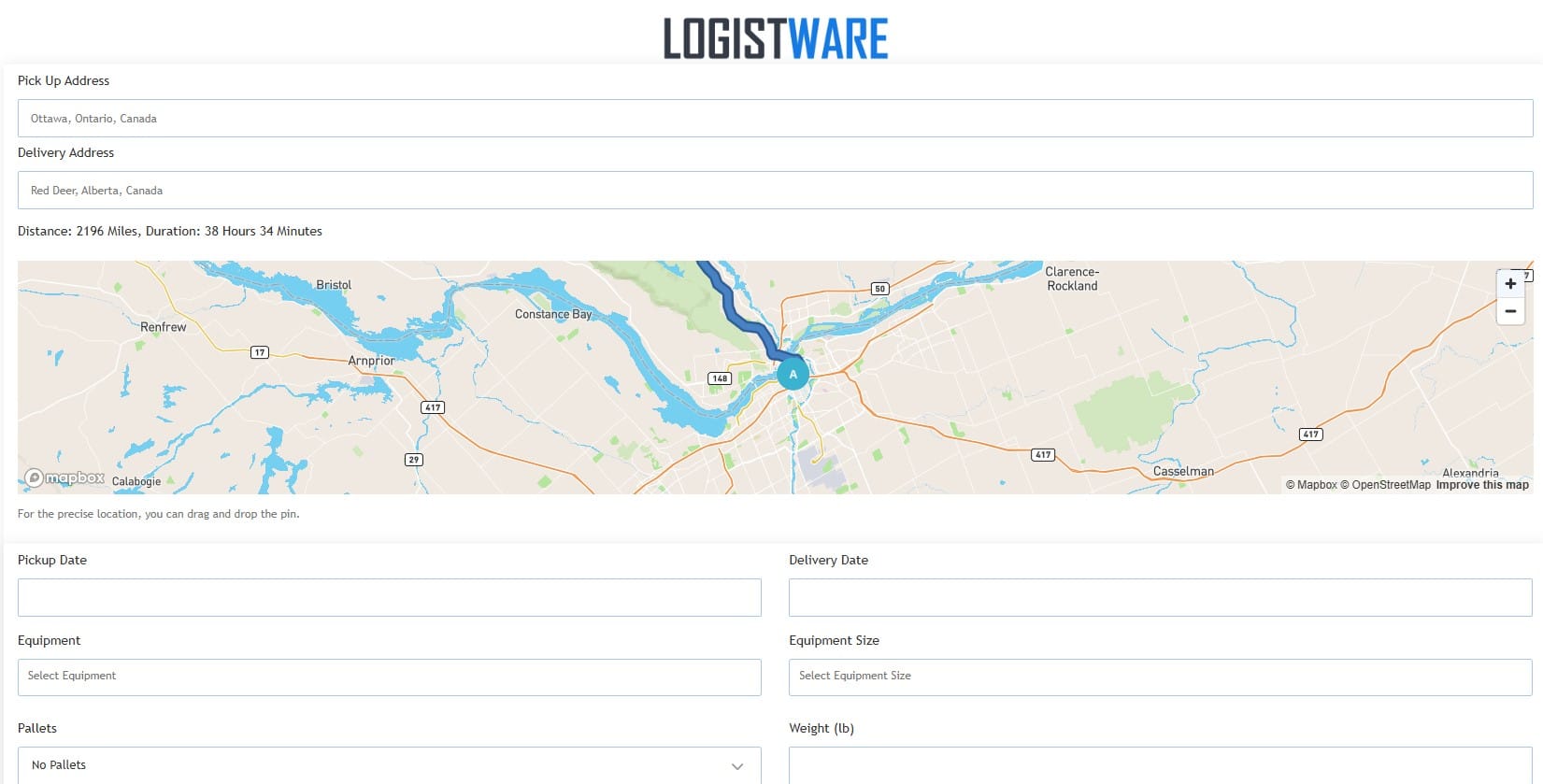
Logistware allows transportation teams to post freight and communicate important shipment details while carriers can review available opportunities and determine whether the equipment, lane and operating requirements fit their business.
For Halifax transportation teams, that same workflow can support freight beginning around the Halifax Regional Municipality and continuing toward other Nova Scotia, Atlantic Canadian or national markets.
- Port and Intermodal Freight
Halifax freight can include container movements, warehouse transfers and other transportation associated with marine and intermodal activity. Logistware helps users communicate freight requirements and source transportation capacity while terminal appointments, container availability, customs requirements and port procedures remain the responsibility of the parties involved.
- Burnside and Dartmouth Industrial Freight
Burnside, Dartmouth and surrounding industrial areas can generate manufacturing, warehouse, commercial and distribution freight. Carriers can review shipment details inside Logistware and decide whether a load fits their equipment, lane and operating schedule.
- Highway 102 and Regional Transportation Corridors
Halifax-area freight can move through major Nova Scotia highway corridors toward Truro, the Annapolis Valley, southern Nova Scotia, New Brunswick and destinations beyond the province. Logistware supports freight coordination while carriers continue to make routing decisions using current road, weather and operating information.
One Halifax Load Board Connected to a Broader Canadian Freight Platform
The Halifax Load Board is not a separate Atlantic Canadian company, carrier network or independent software product. Logistware is the platform, and Halifax is one regional freight market within that broader transportation environment.
Access the Logistware Load Board Talk to LogistwareHalifax Load Board Workflows for Port, Intermodal and Regional Freight
Marine freight does not end when cargo leaves a vessel. Containers and other shipments still need to move between terminals, warehouses, rail connections, industrial facilities and final destinations. That requires coordination between multiple transportation participants.
Logistware helps keep freight information, communication, documents and shipment visibility closer to the load without claiming direct integration with Port of Halifax terminal systems, CN Rail scheduling, government permit systems or customs databases.
Port-Related Freight Coordination
Transportation associated with locations such as Fairview Cove, Dartmouth-area operations and other Halifax freight facilities can involve appointment requirements, equipment needs and time-sensitive communication. Those details can be communicated through the Logistware freight workflow so transportation professionals can evaluate the shipment more clearly.
- Container and Drayage Information
Container freight may require chassis availability, terminal instructions, appointment details, warehouse information and other operating requirements. Logistware provides a place to keep those shipment details connected to the freight opportunity.
- Digital Freight Documents
Bills of lading, proof of delivery and other transportation documents can remain associated with the shipment workflow instead of becoming scattered across unrelated email threads and folders.
Explore Document Exchange - Live Freight Communication
Pickup instructions, appointment questions, delivery changes and other transportation updates can be discussed inside the freight workflow, giving the people involved a more organized written record of shipment communication.
Explore Logistware Live Chat
Shipment Visibility from Pickup Toward Delivery
When an active shipment uses connected tracking, authorized participants can maintain a clearer view of freight progress, shipment status and important movement milestones without relying entirely on repetitive manual status calls.
Explore Real-Time Freight TrackingHalifax Load Board Technology for Atlantic Canada’s Diverse Freight
Halifax and Nova Scotia transportation activity extends far beyond container freight. Atlantic Canadian supply chains can involve food products, seafood, agriculture, construction, consumer goods, industrial equipment, aerospace-related freight, energy projects and regulated materials.
Those freight categories have different handling, equipment and compliance requirements, but they can still use the same Logistware environment for freight discovery, communication and connected shipment management.
Specialized Freight Requires Clearer Shipment Information
The role of the Halifax Load Board is to give transportation professionals useful information before they decide whether a shipment fits their operation. Specialized compliance, permits, equipment certifications and handling requirements remain the responsibility of the businesses involved.
- Seafood, Food and Agricultural Freight
Atlantic Canadian food and seafood transportation can involve narrow pickup windows, refrigerated equipment and temperature-sensitive handling. Shippers and brokers can communicate those requirements while carriers determine whether their equipment and operating capabilities are appropriate for the load.
- Construction and Infrastructure Freight
Construction materials, machinery and oversized freight may require flatbeds, specialized equipment, permits or route planning. Logistware can support freight discovery and shipment communication without replacing the operating and regulatory work required for the movement.
- Retail and E-Commerce Distribution
Retail and e-commerce freight can move between warehouses, distribution facilities, commercial locations and customers throughout Halifax, Dartmouth, Bedford and other Nova Scotia markets. A connected freight workflow helps keep transportation requirements organized as those shipments move.
- Defense and Aerospace-Related Freight
Some transportation connected to defense, marine and aerospace industries may involve specialized access, security or handling requirements. Logistware can help participants communicate shipment information, while the organizations involved remain responsible for determining whether a carrier and transportation arrangement satisfy all applicable requirements.
- Energy and Technology Equipment
Wind, marine-energy, technology and industrial projects can create freight involving components, machinery and specialized transportation. Equipment requirements and operating conditions should be communicated clearly before a shipment is accepted.
- Hazardous Materials Freight
Regulated or hazardous shipments may require specific documentation, carrier qualifications and handling procedures. Logistware can keep freight information and documents connected to the workflow, but the parties involved remain responsible for meeting applicable dangerous-goods and transportation requirements.
Practical Halifax Freight Technology Without Unsupported Performance Promises
A strong Halifax Load Board does not need to promise a guaranteed reduction in port delays, deadhead, transportation rates, customs processing time or shipment cost. Those outcomes depend on the freight, carrier, equipment, traffic, weather, terminal conditions and many other operational factors.
Logistware instead provides transportation professionals with connected freight tools they can evaluate in their own operation: load discovery, communication, digital documents, member vetting and active shipment visibility.
Cheaper. Smarter. Stronger.
Verified Halifax Load Board Connections Through Logistware
Freight relationships require more than matching an available shipment with an available truck. Transportation professionals also want useful context about the companies and people they may work with before making a commercial decision.
Logistware uses a registration and manual vetting process before platform access. That process belongs to the broader Logistware platform rather than a separate Halifax-specific carrier certification program.
- Business and Profile Information
Members provide required profile and business information during the Logistware registration process.
- Applicable Authority and Compliance Documents
Where required for the account or operating jurisdiction, users may submit authority, insurance and other relevant documentation for review.
- Manual Review Before Account Approval
Submitted information and applicable documentation enter Logistware’s manual vetting process before an account is approved for platform access.
See How Logistware Vetting Works
Better Information Still Requires Transportation Due Diligence
The vetting process gives users additional context, but carriers, shippers and freight brokers should still verify insurance, authority, equipment, shipment requirements, commercial terms and any other information relevant to the specific transportation relationship.
Build Atlantic Canadian Freight Relationships Around Clearer Communication
Freight relationships become easier to manage when participants can keep shipment communication, documentation and active freight information connected to the same operational workflow.
Halifax Load Board Freight Matching for Carriers, Shippers and Brokers
Finding transportation capacity is still one of the core jobs of a load board. Logistware gives shippers and freight brokers a place to make shipment requirements available while carriers can review freight opportunities that may fit their lanes, equipment and schedule.
For transportation professionals using Logistware as their Halifax Load Board, freight discovery stays connected to the broader shipment workflow instead of ending as soon as two businesses identify one another.
Smart Freight Discovery Without Pretending to Predict Everything
Logistware can help users identify relevant freight and capacity using the shipment information available through the platform. The final transportation decision still belongs to the businesses involved and should account for equipment, lane, timing, rate, road conditions and other operating factors.
- Post Halifax Freight
Shippers and freight brokers can make freight available with origins, destinations, equipment requirements, timing and other shipment information that can help carriers evaluate the opportunity.
- Find Atlantic Canadian Capacity
Carriers can review transportation opportunities and determine which freight fits their available equipment, operating lanes and schedule.
- Coordinate the Freight After a Match
Communication, documents and shipment visibility can remain connected after transportation capacity is selected, creating a more complete freight workflow than a static listing alone.
Halifax Freight Can Extend Across Atlantic Canada and Beyond
A shipment originating in Halifax may remain inside Nova Scotia, move toward New Brunswick, Prince Edward Island or Newfoundland and Labrador, continue toward Quebec or Ontario, or connect with an applicable Canada–U.S. transportation lane.
Logistware allows those changing transportation markets to remain part of the same broader freight platform instead of requiring a new local account every time the lane changes.
Explore Canada–U.S. FreightHalifax Load Board Connections Across Atlantic Canada
Halifax is one freight market inside a much larger regional transportation network. Freight moving through Nova Scotia can connect with other Maritime communities, central Canadian destinations and cross-border transportation requirements.
Location-specific freight pages can help transportation professionals discover Logistware through local search intent while the underlying account, software and freight workflow remain part of the same Logistware platform.
- Halifax and Dartmouth freight
- Bedford and Sackville-area freight
- Burnside Industrial Park freight
- Annapolis Valley freight
- Truro and central Nova Scotia freight
- Cape Breton and eastern Nova Scotia freight
- New Brunswick connections
- Prince Edward Island connections
- Newfoundland and Labrador connections
- Quebec and Ontario freight connections
- Canada–U.S. transportation lanes
- National Canadian freight opportunities
One Logistware Account Across Changing Freight Lanes
A carrier may begin with freight around Halifax today and move toward New Brunswick, Quebec or Ontario tomorrow. A shipper may need local capacity for one shipment and a long-distance carrier for the next. The same Logistware environment can remain part of both workflows.
Explore the Logistware Truck Load Board Explore Cross-Border FreightHalifax Load Board Partnerships for Atlantic Canadian Freight
Atlantic Canadian freight depends on relationships between carriers, shippers, freight brokers, dispatchers, warehouses, receivers and other transportation participants. Logistware gives those professionals a connected platform in which freight opportunities can develop into longer-term working relationships.
The Halifax Load Board provides the local search and market context, while Logistware remains the actual platform those transportation professionals join and use.

Strategic Freight Relationships Without Invented Local Partnerships
Transportation businesses, technology providers and other commercial organizations interested in working with Logistware can contact the company directly to discuss platform questions, freight opportunities or potential business relationships.
This approach is more accurate than suggesting that the Halifax Load Board has exclusive partnerships with specific port terminals, government agencies, defense organizations or major shippers unless such relationships have been formally established and can be verified.
Referral and Business Opportunities
Referral programs, pricing and promotional terms can change over time. Businesses interested in referring carriers, shippers or freight brokers should contact Logistware for current information rather than relying on old commission percentages or limited-time promotional offers.
Ask About Current Partnership OpportunitiesJoin the Halifax Load Board Experience Through Logistware
If you are searching for a Halifax Load Board, Logistware gives you a Canadian freight platform where carriers can explore freight opportunities and shippers or freight brokers can post shipments and source transportation capacity.
Halifax is the regional freight market. Logistware is the platform. That relationship keeps the Halifax Load Board keyword clear for search while establishing one consistent brand and technology environment across the broader Logistware network.
Take Logistware Wherever Freight Takes You.
Download the Logistware app today and keep your Halifax and Atlantic Canadian freight workflow connected when you are away from your desk. Access freight opportunities, shipment activity and the broader Logistware platform from your mobile device.