
Finding the best freight broker software means looking beyond a basic load list. Freight brokers need
technology that can help them source transportation
capacity, organize shipment information, communicate with
transportation partners, keep documents connected to the
load and maintain better visibility once freight is moving. Logistware brings those activities together
inside one Canadian freight platform for brokers, shippers,
carriers, dispatchers and transportation teams. Instead of
forcing brokers to manage freight discovery, communication,
documents and shipment visibility through completely
separate workflows, Logistware connects those functions
around the freight itself. A freight broker may begin the day looking for capacity,
move into carrier communication and booking, spend the
afternoon monitoring active shipments and finish by locating
documents for completed freight. Software becomes more
useful when those activities remain connected instead of
being scattered across unrelated tools. Logistware combines load-board functionality with
AI-assisted freight matching, business vetting, digital
documents, live freight communication, shipment visibility
and team coordination. That connected structure is the
reason the platform is relevant to brokers comparing the best freight broker software for their own
operation. There is no single feature that determines whether software
is right for every brokerage. The useful question is whether
the platform helps reduce fragmentation around the work your
team performs every day. Freight brokerage software should support the practical
work between receiving a shipment requirement and completing
the transportation workflow. Logistware connects several of
those activities inside the same platform so brokers can
keep more information tied to the freight. Carrier sourcing can consume a significant part of a
broker's day. Logistware uses freight-matching technology to
help transportation professionals identify opportunities
based on available shipment and capacity information while
leaving the final carrier-selection decision with the
broker. Brokers can make shipment requirements available through
the Logistware load board and connect those opportunities
with transportation capacity operating through the
platform. Logistware uses a registration and vetting process designed
to add another layer of review before platform access.
Brokers should still perform the commercial, insurance,
authority and operational due diligence appropriate to each
carrier relationship. A broker may work with domestic Canadian freight,
Canada–U.S. activity and multiple equipment requirements.
Using one platform can make it easier to keep those
opportunities within a consistent workflow. Rate confirmations, bills of lading, proof of delivery and
other transportation files become harder to manage when
they are separated across personal inboxes and unrelated
folders. A connected document workflow gives brokers a more
logical place to locate files associated with active or
completed freight. Shipment visibility can help brokers spend less time
chasing routine status updates. Logistware connects active
freight with shipment-location and status information so
authorized participants can maintain a clearer view of
freight movement from pickup toward delivery. That visibility becomes more useful when it remains
connected to communication and shipment documents instead
of operating as another completely separate tracking tool. The goal of freight technology is not automation for its own
sake. The real value comes from reducing repetitive work
that does not require a broker's judgment, relationships or
commercial decision-making. A connected workflow can help brokers spend less time
re-entering shipment information, searching through old
messages or switching between different systems simply to
understand what is happening with a load. Logistware allows transportation professionals to post
freight, communicate around shipment opportunities and move
the load toward booking without separating every stage into
an unrelated process. Keeping freight information inside one connected platform
reduces the need to recreate the same shipment context
every time the workflow moves to another stage. Questions about capacity, pickup requirements, delivery
appointments and shipment status can remain closer to the
freight instead of becoming another independent email or
phone conversation. Once transportation begins, shipment visibility,
communication and documents can continue to remain
associated with the freight rather than ending when a
carrier is selected. Freight brokers often sit between the customer and the
carrier, which means they receive questions from both sides.
Better shipment visibility gives the brokerage more useful
information when customers ask about freight progress,
pickup status or delivery timing. Connected communication also creates a clearer operational
record because questions and updates remain tied more
closely to the transportation workflow. A brokerage workflow may involve salespeople, freight
brokers, dispatchers, operations staff and other users
coordinating multiple shipments at the same time. The
software becomes more valuable when those users can work
from a connected operational environment. Logistware's team-management tools are designed to help
transportation organizations coordinate users, roles and
workflows around freight activity. That can make it easier
to keep operational information visible to the right people
without relying exclusively on forwarded emails and
individual spreadsheets. Keep the people managing freight closer to the same
shipment information, communication and transportation
workflow. Live freight chat gives brokers, carriers, dispatchers and
other transportation participants another way to discuss
shipment activity within the workflow. The Logistware mobile app allows transportation
professionals to remain connected to freight activity when
they are working away from a desktop computer. A solo broker may initially need a simpler workflow than a
larger transportation team. As the operation grows,
centralized communication, shared shipment information,
document organization and team visibility become
increasingly useful. When comparing the best freight broker
software, brokers should evaluate the functions
they need today while also considering whether the same
platform can remain useful as additional users, customers,
carriers and active shipments are added. Freight brokers sit between shipper requirements and carrier
capacity. That makes brokerage software different from a
simple customer database or a stand-alone tracking page.
The workflow has to account for freight discovery,
transportation relationships, shipment information,
communication and activity after the truck is booked. Logistware is designed to keep the transportation workflow
connected as freight moves through different operational
stages. The platform can support the broker's work around
posting freight, finding capacity, communicating with
transportation partners, following active shipments and
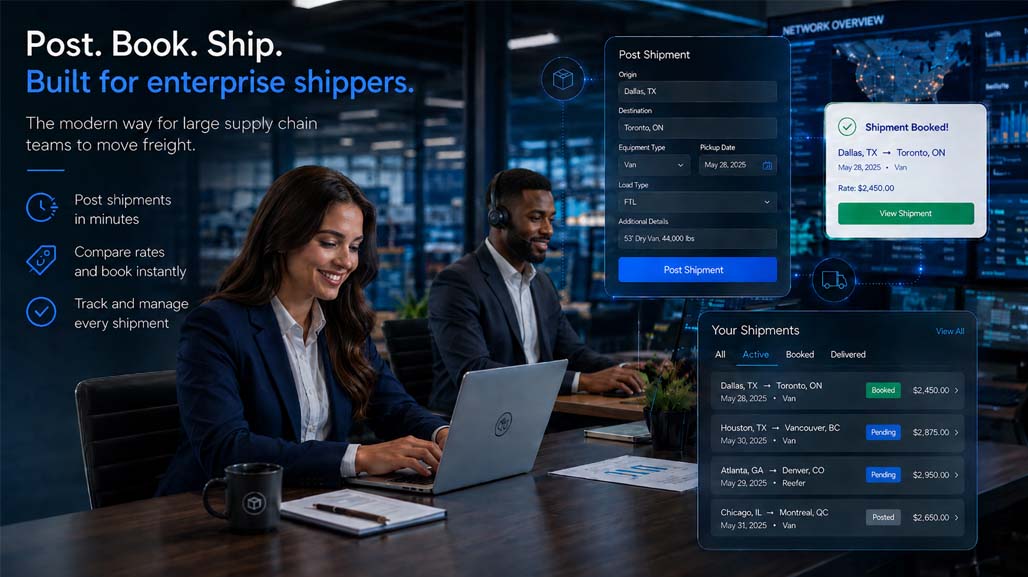
keeping important files associated with the load. Enter the shipment information needed to communicate the
transportation requirement to potential capacity. Use the load board and connected freight communication to
evaluate transportation opportunities and discuss shipment
requirements. Maintain better awareness of freight progress while the
shipment is moving and keep transportation updates closer
to the load. Keep relevant shipment documents associated with the
transportation workflow through completion. No brokerage should assume that every freight platform
replaces every accounting, CRM, financial or enterprise
system already in use. The right approach is to determine
which activities you want Logistware to manage and which
systems should remain part of your existing technology
stack. If your brokerage requires a specific accounting,
integration, API or enterprise workflow, confirm those
requirements with Logistware before deployment. That gives
your team a more accurate picture of how the platform fits
into the operation. The best freight broker software should be
evaluated in the context of the actual work your brokerage
performs. These Logistware resources provide more detail
about carrier sourcing, shipper relationships, team
coordination, freight communication and shipment
management. Logistware is one connected freight platform rather than a
collection of unrelated products. Brokers can explore
equipment-specific freight, Canadian markets, Canada–U.S.
transportation activity and other load-board resources while
remaining inside the same broader Logistware platform. The answer depends on the workflow your brokerage needs.
If your team wants freight discovery, carrier sourcing,
shipment communication, document organization, tracking and
team coordination brought closer together, Logistware gives
you a platform worth evaluating directly. Rather than judging freight broker software from feature
lists alone, use the actual Logistware environment and
decide how well it fits the way your brokerage finds
capacity, communicates with transportation partners and
manages freight. Whether you are building a brokerage, modernizing an
existing operation or looking for a more connected
alternative to fragmented freight tools, Logistware gives
brokers a Canadian freight platform designed around the
transportation workflow. If you are comparing the best freight broker software for 2026,
evaluate the features that matter to your actual operation:
capacity sourcing, communication, shipment visibility,
documents, team coordination and the ability to keep freight
information connected from opportunity through delivery. Download the Logistware app today and keep
your brokerage connected when you are away from your desk.
Access freight activity, shipment information and the
broader Logistware workflow from your iPhone, iPad or
Android device. Best Freight Broker Software 2026: A Connected Freight Workflow Built Around Modern Brokerage
Why Logistware Belongs on a Best Freight Broker Software Shortlist
What Freight Brokers Should Expect from Modern Software
Explore the Logistware Freight Platform Explore the Freight Brokers Load Board Core Features to Look for in the Best Freight Broker Software
AI-Assisted Carrier Matching and Capacity Sourcing
Centralized Documents for Freight Brokerage
Real-Time Tracking for Active Brokered Freight
Why the Best Freight Broker Software Should Reduce Manual Freight Work
Load Posting, Bidding and Booking in One Workflow
Shipper Visibility Can Reduce Broker Status-Chasing
Best Freight Broker Software Should Work for the Whole Transportation Team
Team Coordination Around Active Freight
Explore Team Management Software That Can Support a Growing Brokerage
Technology Designed Around the Freight Broker Workflow
A Connected Workflow from Freight Request to Delivery
Fits Alongside the Systems Your Brokerage Already Uses
Cheaper. Smarter. Stronger.
Explore Logistware Freight Broker Software Resources
Explore Logistware Load Board Coverage
Is Logistware the Best Freight Broker Software for Your Operation?
Try the Logistware Freight Platform
Take Logistware Wherever Freight Takes You.




Logistics Built for Your Bottom Line.
iPhone, iPad & Android